A Shot in the Dark

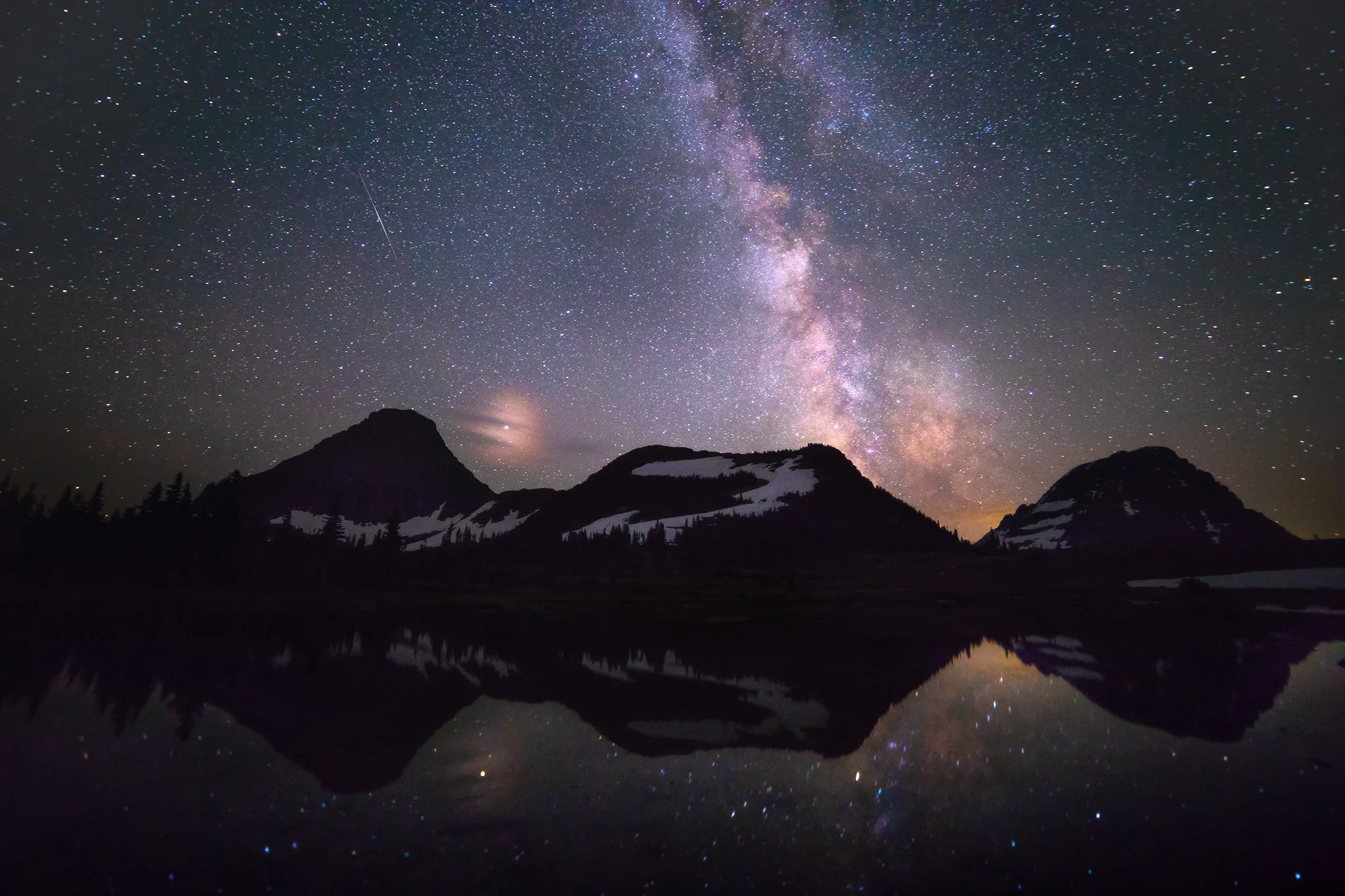
The night sky seen above Glacier National Park in Montana, USA. In addition to the Milky Way, Mars can be seen near the peak of the mountain on the left. A single shooting star is visible as well in the sky above the left mountain peak.
Protecting and restoring dark skies should be a priority for communities around the world. As populations grow and cities expand, so too does the world's light pollution. Having the opportunity to see a sky filled with stars is a beautiful, humbling, and inspiring experience that everyone should have access to. But the issue is bigger than just our ability to look up and be awestruck. Light pollution can impact the development of plants, populations of insects, and many animals depend on dark skies for survival or navigation.
Some areas have been designated dark sky reserves in order to help preserve their dark skies. And some cities have begun to implement measures to help curb light pollution such as shutting off city lights, changing the types of bulbs used in street lamps, or installing shades that keep light from escaping upward into the atmosphere.
Have you ever had the chance to see the milky way in person? Do you have any dark sky reserves or other dark places near where you live? Or do you have to travel far to find a dark sky?
For more information, feel free to visit the International Dark-Sky Association.
A visit to Artist Point
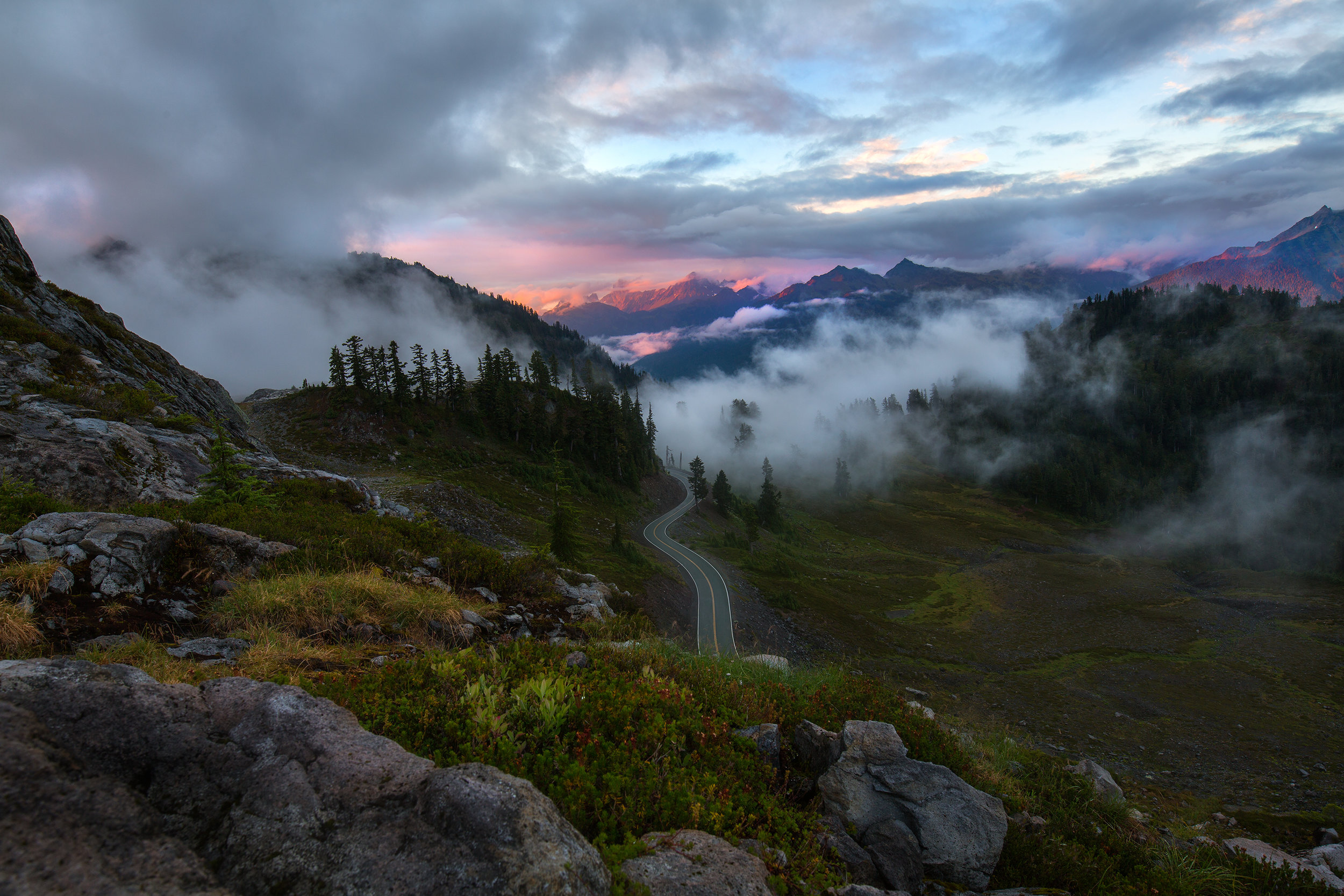
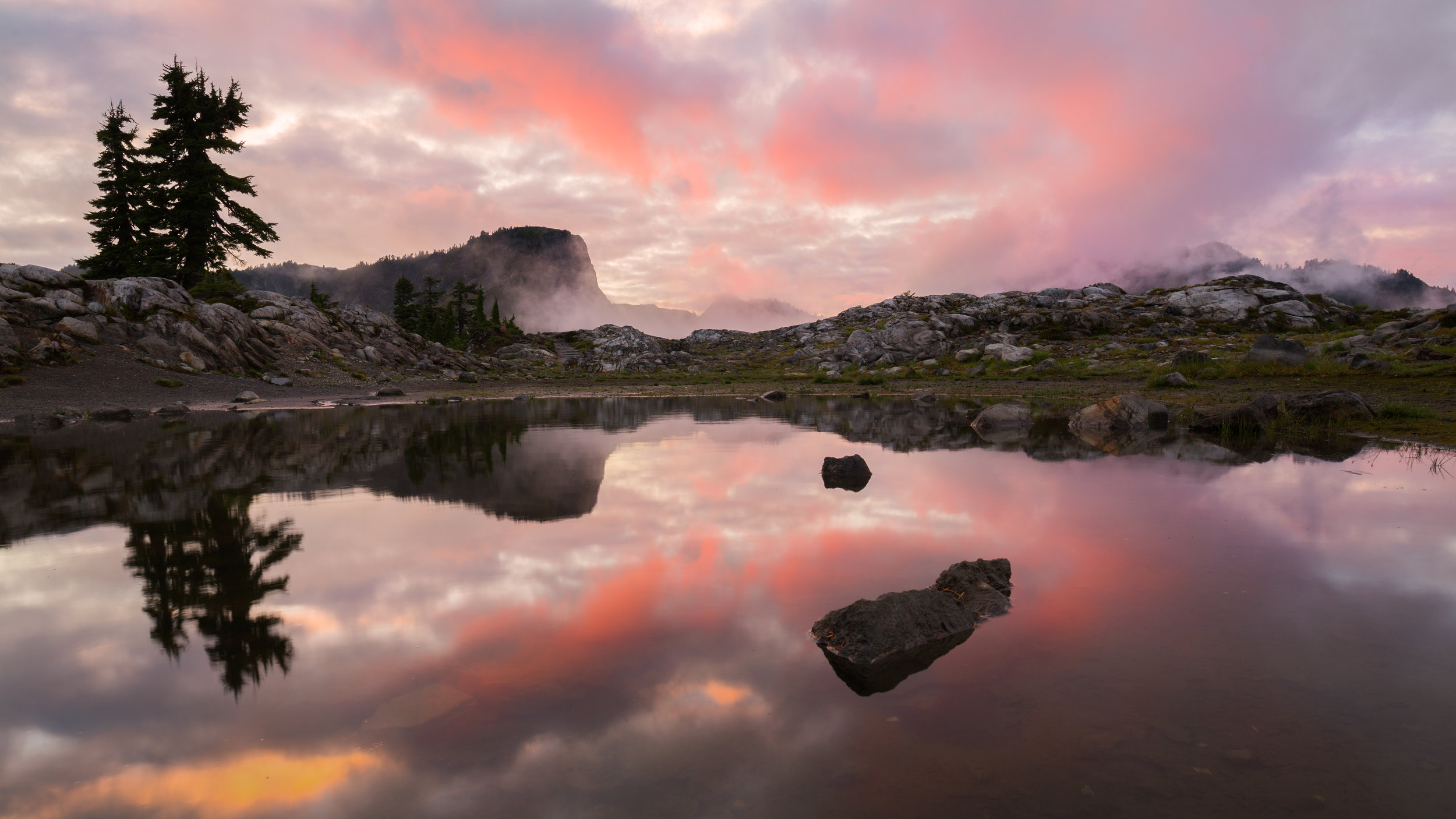
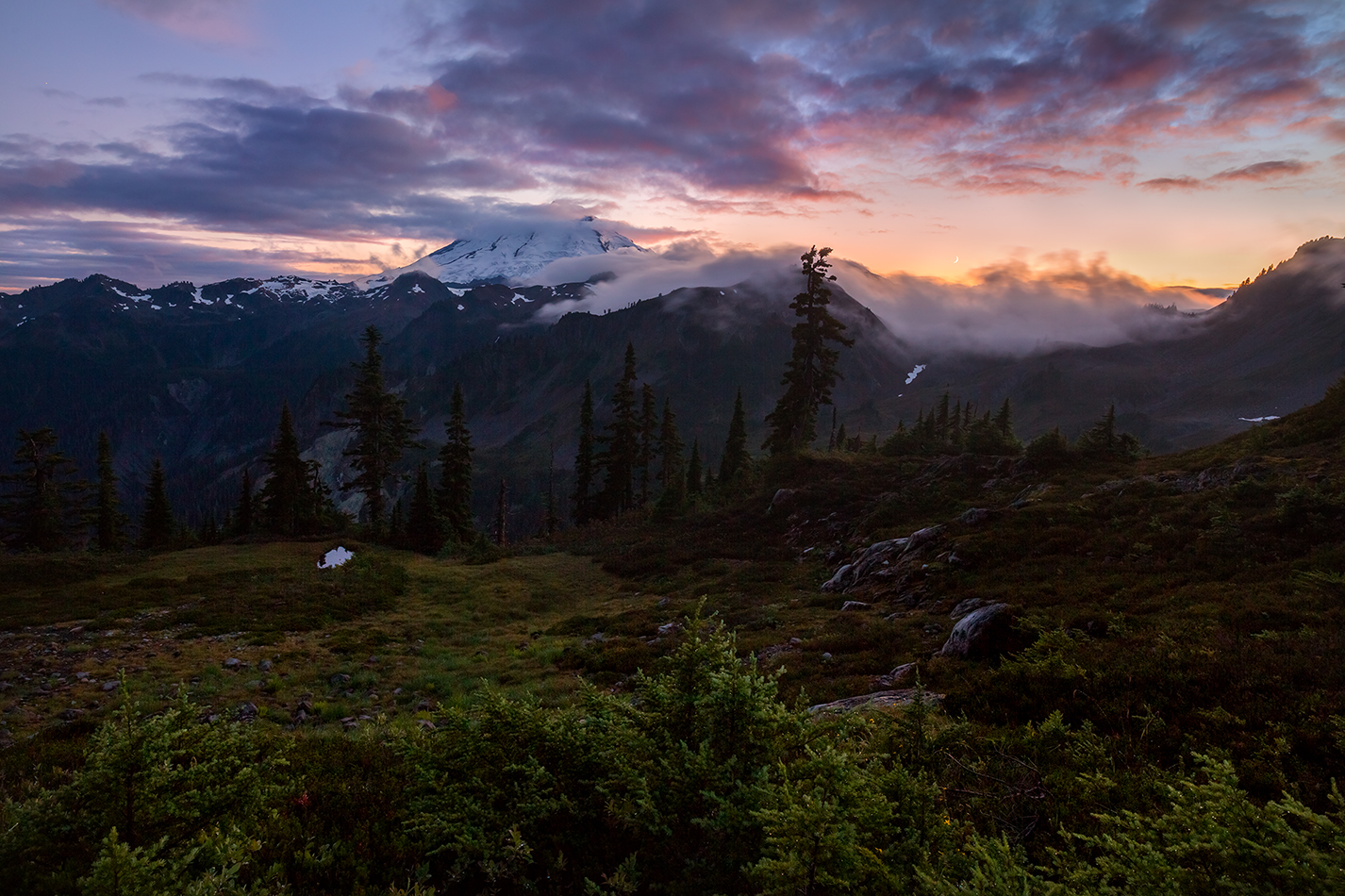
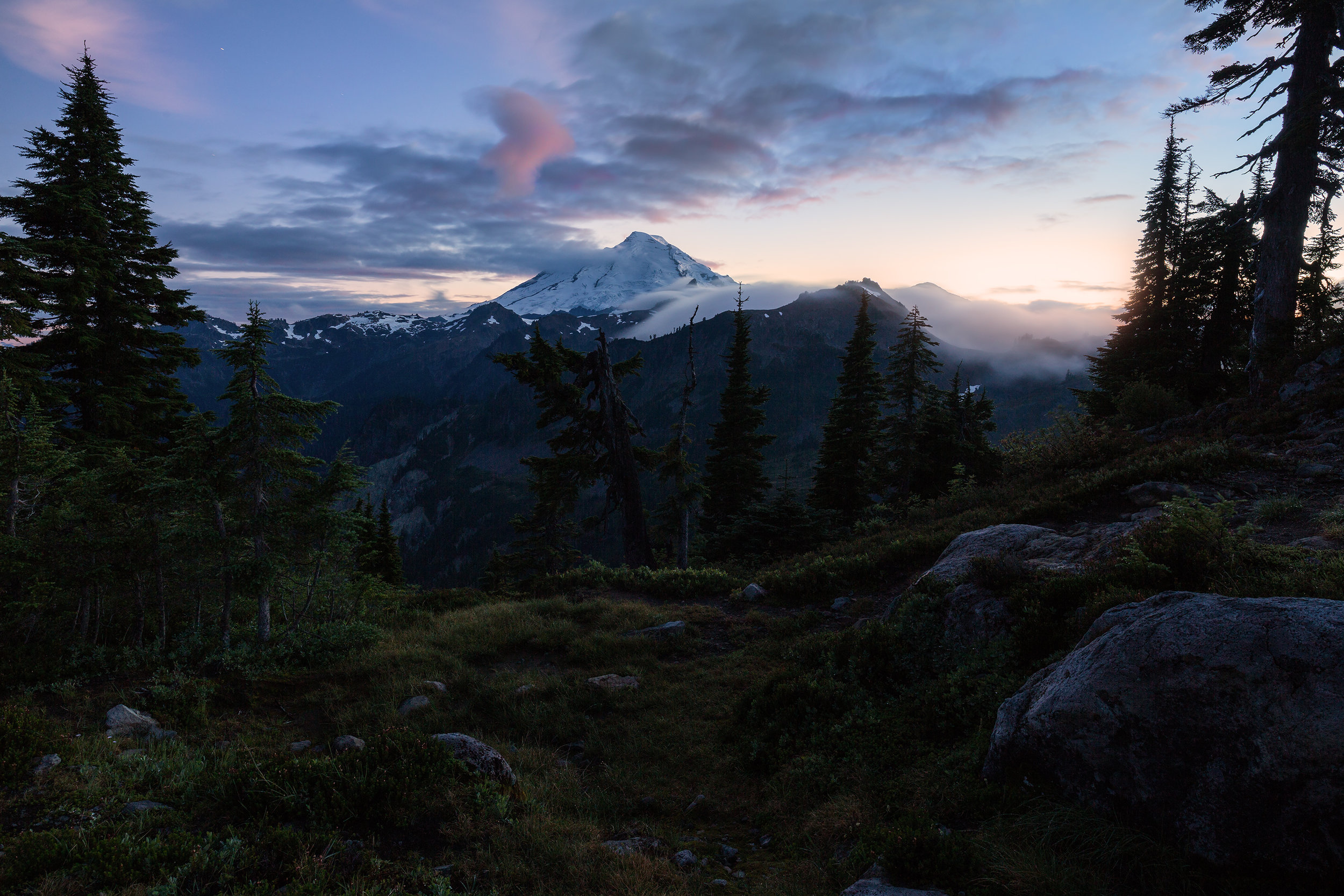
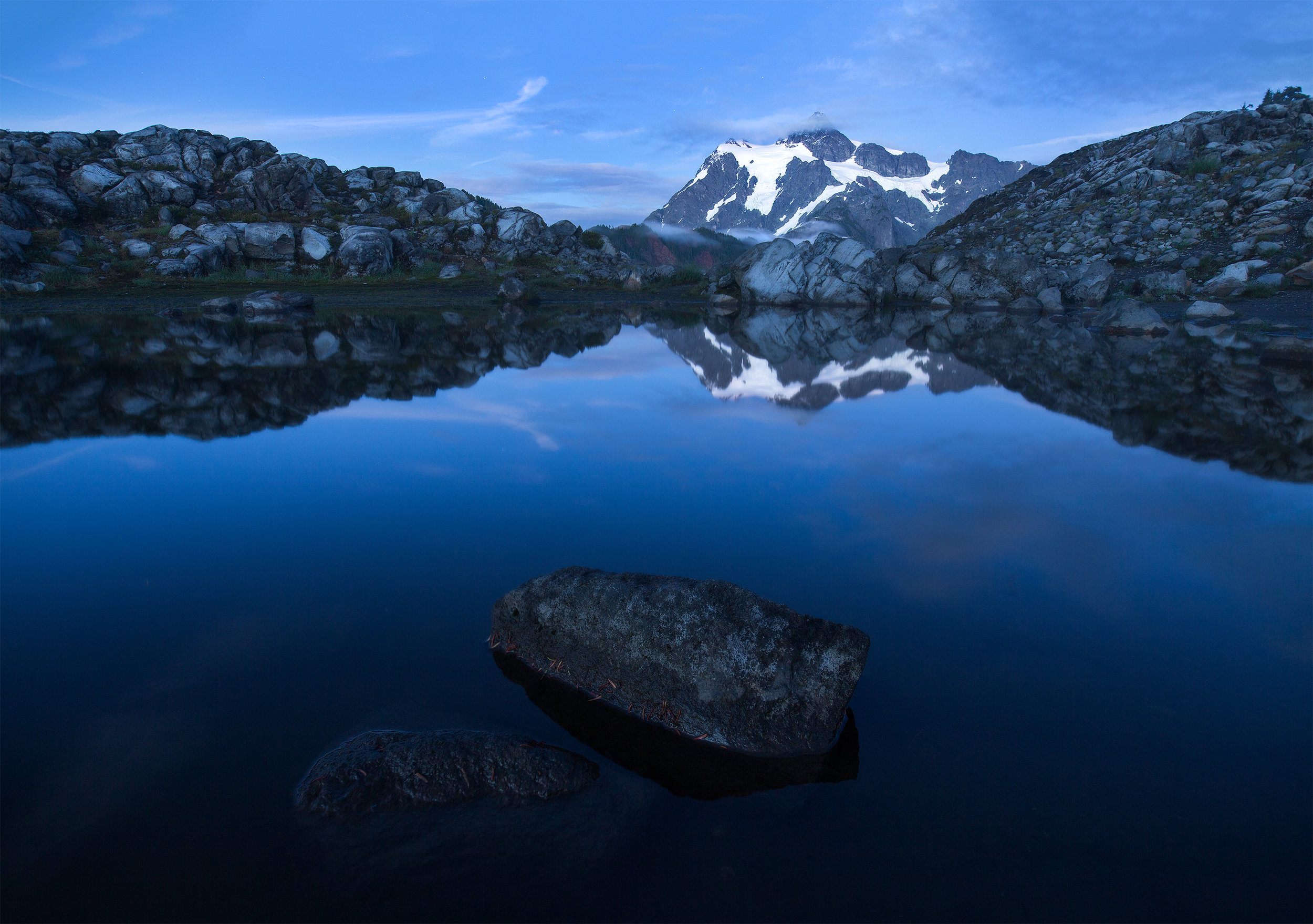
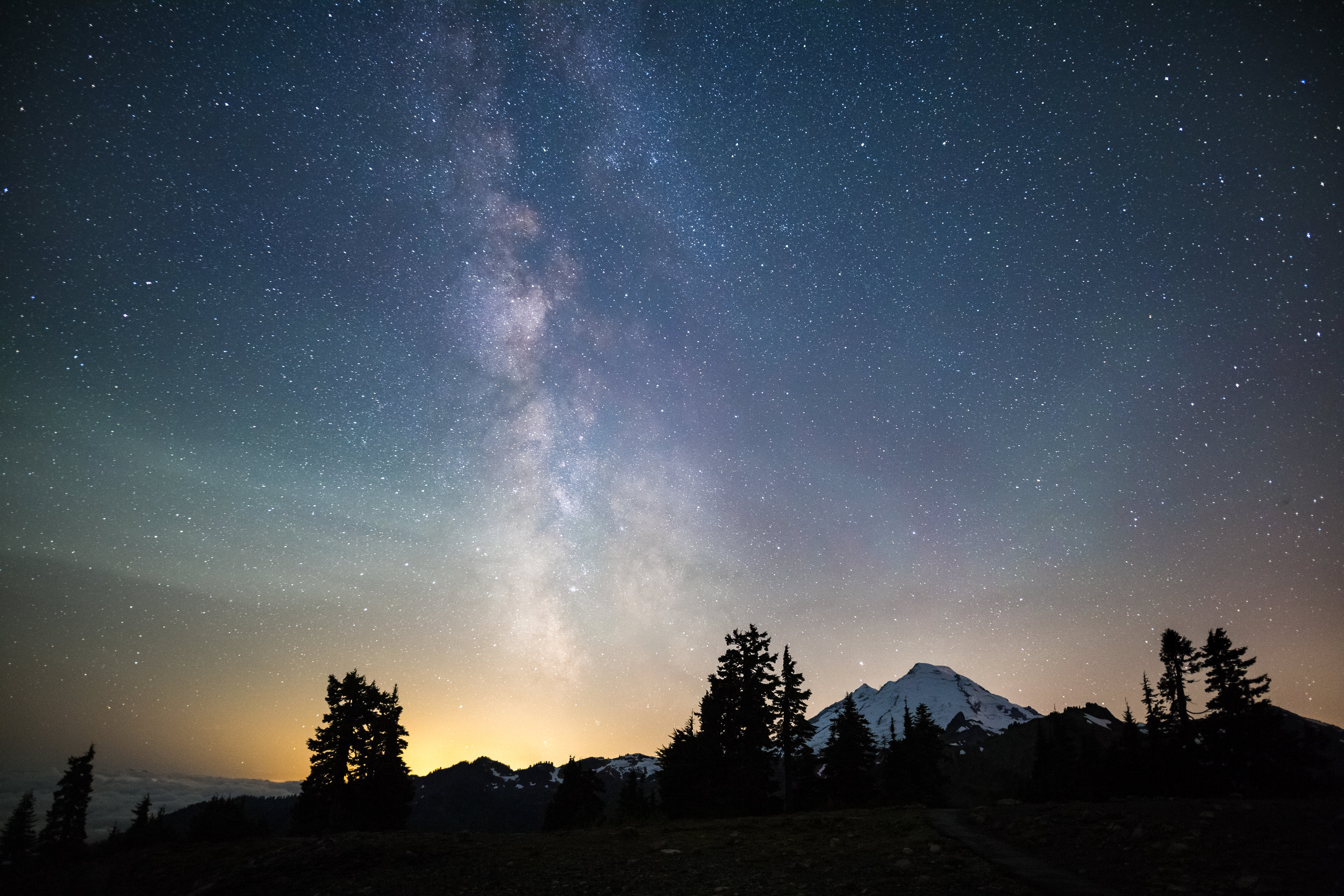
I have visited Artist Point in Mount Baker National Forest several times for both sunrise and sunset, but I have always been foiled by low clouds and obscured views. On my way up this time I couldn't help but think to myself, "not again!" And as I arrived at the parking area my thick low lying cloud nemesis had already begun to obscure the views of Mount Shuksan and Mount Baker. However, I have been burned one too many times over the years after turning around too early and not giving the weather a chance to clear. So I grabbed my gear and headed out onto the trails around Artist' Point to scope out the situation. I knew that out west where the sun was setting the skies were clear and that if the clouds right on top of the area I was in broke up at all, I would be in for a treat. Needless to say, they did start to break up, and as the sun began to set in the distance, the clouds lit up with wonderfully beautiful light. And on top of that, the clouds continued to disperse and allowed for some awesome milky way shots later in the night.
Wayne Gretzky once said, "You miss 100 percent of the shots you don't take" and that quote can be just as apt at describing photography as it can hockey. Although you may not be successful on many occasions, the more chances you give yourself, the more likely you'll come away with a goal(or in this case, an image).
I ran into another pair of photographers who were arriving at the same time as I was, the husband and wife duo of Susan and Ron(www.susanholtphotography.com). They have a beautiful portfolio of incredible images and Susan offers awesome workshops in Yosemite. It was a pleasure to talk and shoot with them and help distract from the 30 degree temperatures! Definitely check them out if you get the chance!
Here are the photos from the evening in chronological order, with decreasing clouds all the way through.
Golden Gate and Super Blood Moon
Here are two shots comparing the morning and night views of the Golden Gate Bridge taken on the same day. The first shot was from around 6:30am and the 2nd was taken at 7:45pm during the Super Blood Moon in September of 2015.
Wells Blog
Duis mollis, est non commodo luctus, nisi erat porttitor ligula, eget lacinia odio sem nec elit. Maecenas faucibus mollis interdum. Nulla vitae elit libero, a pharetra augue.


Vivamus pellentesque vitae neque at vestibulum. Donec efficitur mollis dui vel pharetra.